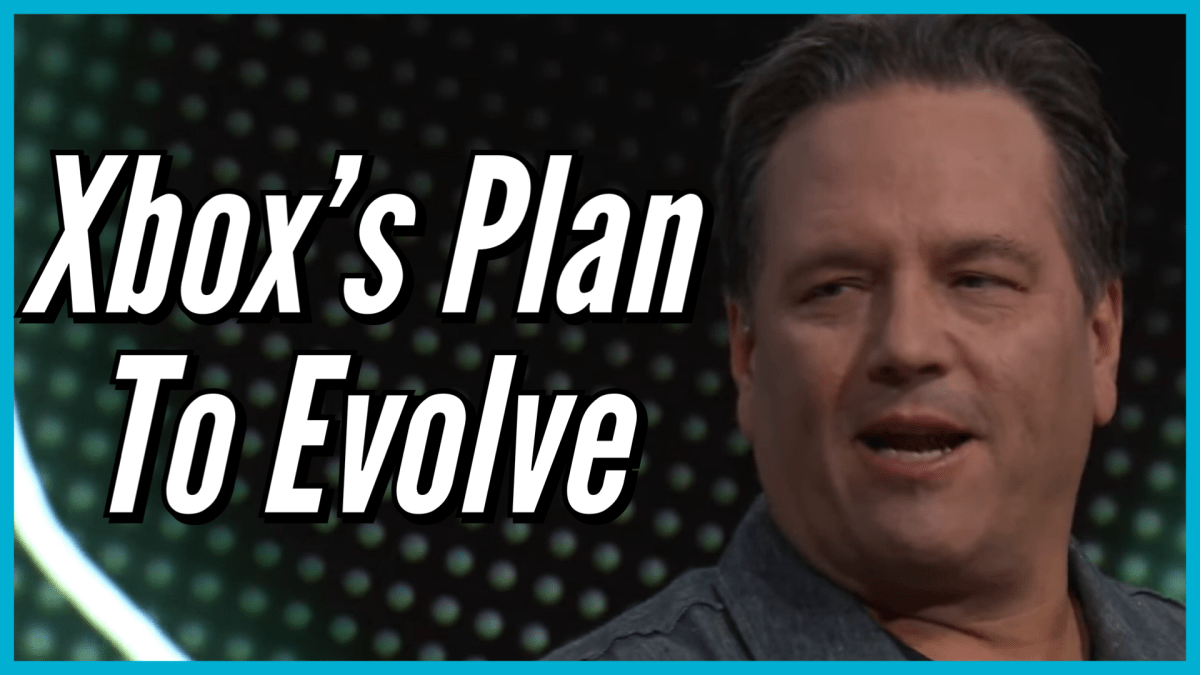
Xbox held their much-anticipated business update yesterday where they addressed recent rumors about game exclusivity and more clearly laid out how the company sees the future of the brand. In the latest episode of The Official Xbox Podcast, Microsoft Gaming CEO Phil Spencer, President of Xbox Sarah Bond, and President of Gaming Content & Services Matt Booty covered a range of topics including Xbox games coming to other consoles, future Xbox hardware, the games industry at large, and how it all pertains to the company’s strategy going forward. The answers they gave paint a clear picture of how they see the future of gaming and where Xbox fits into it.
First-Party Exclusivity

First-party exclusivity has been the biggest point of contention with Xbox for many in recent weeks thanks to rumors that multiple titles from Xbox Game Studios would be making the jump to PlayStation and Nintendo consoles, from big games like Starfield and Indiana Jones and the Great Circle to smaller games such as Hi-Fi Rush and Pentiment. Phil Spencer addressed exclusivity at the top of the show by confirming that as of right now, only four first-party titles will be coming to other consoles. While he didn’t specify what those games were as he’s leaving it to the individual teams to reveal the news when they’re ready, he did confirm that Starfield and Indiana Jones are not currently being planned for release on other consoles.
As for the four games that are coming to PlayStation and Nintendo platforms, reports and leaks have suggested that they’ll be Hi-Fi Rush (Tango Gameworks), Sea of Thieves, (Rare), Pentiment (Obsidian), and Grounded (Obsidian). These games fit the criteria that Spencer explained were the backbone of this decision-making process.
“We looked at games that are over a year old, so they’ve been on Xbox and PC for a while. A couple of the games are community-driven games, new games or first iterations of a franchise that have reached their full potential, let’s say on Xbox and PC, but there’s always growth. Franchises that we obviously want to continue to invest in. Part of having the ability to continue to invest is that the businesses behind those franchises continue, meaning it’s important that these service-based games that have communities behind them have confidence that they’re going to continue in the future.

“Two of the other games are smaller games that were never really meant to be built as kind of platform exclusives and all of the fanfare that goes around that, but games that our teams really wanted to go build, that we love supporting creative endeavors across our studios regardless of size. And as they’ve realized their full potential on Xbox and PC, we see an opportunity to utilize the other platforms as a place to just drive more business value out of those games allowing us to invest in maybe future iterations of those or sequels to those, or just other games like that in our portfolio. And when we don’t damage Xbox and we can grow our business using what other platforms have to help us with that, we’re going to do that.”
Although Xbox is experimenting with bringing more of their first-party games to other consoles, Spencer stressed that this isn’t a sign of more to come, nor is there a fundamental change in how Xbox looks at exclusivity. Although he sees value in expanding the reach of these games to new audiences and potentially making new Xbox customers out of them, he cautioned that there are no promises of further releases on other consoles past these first four games. To help further emphasize Xbox’s commitment to its first-party ecosystem, Matt Booty emphasized three core principles: all first-party games will be on the Xbox platform, all first-party games will go into Game Pass on day one, and Game Pass will only be available on Xbox.
Xbox As A Platform
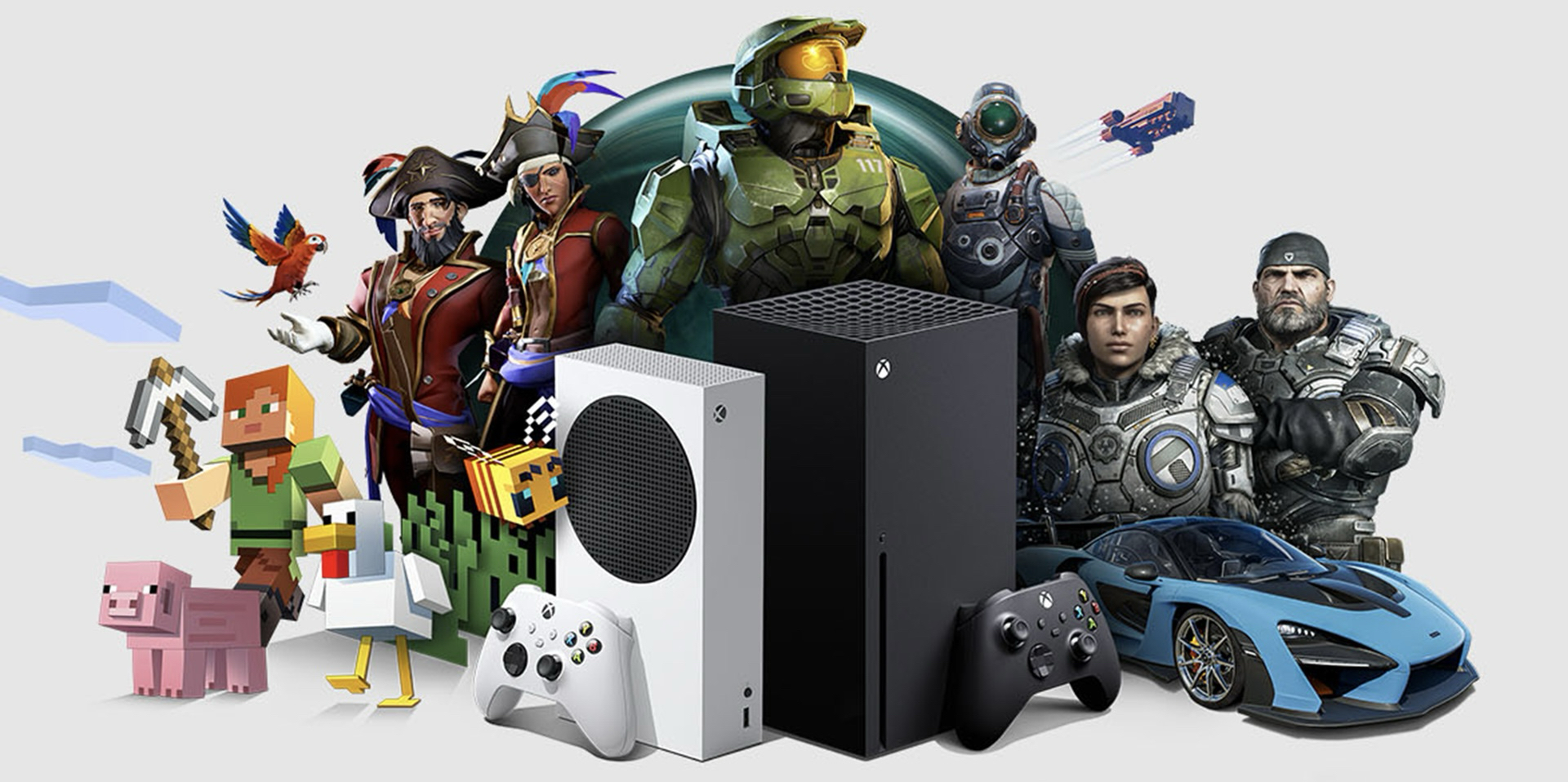
From here the conversation transitioned into discussing Xbox’s future as a platform and as a brand, how this shift in first-party release strategy plays into this vision, and where Xbox fits into the future of the gaming industry at large. For some time now, Xbox has adopted a strategy that’s looked beyond only being on console. One has to look no further than their move to release games day-and-date on PC or their pushes into the cloud and mobile spaces to see the steps they’ve been taking.
This is all because Microsoft sees Xbox as “a platform for the world’s best creators” according to Phil Spencer. It’s a mindset that makes sense in today’s gaming landscape where we have games becoming platforms themselves, and platform holders like Xbox, Nintendo, and PlayStation are more-so places to facilitate playing them. Matt Booty spoke toward this idea during the business update.
“We’ve sort of seen this inversion over the last five years where it used to be that the platform was the biggest thing and the games would sort of tuck in within the platform. Today, big games like a Roblox or a Fortnite can actually be bigger than any one platform, and that really has changed the way we think about things.”

Microsoft’s view of the gaming landscape is one in which growth has become stagnant, which as Phil Spencer says, unfortunately leads to layoffs. The team at Xbox wants the industry to remain healthy and keep thriving, and in order to do that it has to keep growing. How does Xbox plan to help? By reaching more people and making the games they want to play as accessible as possible, as well as providing developers the opportunity to have their games accessed by as many people as possible.
“It’s not about one device,” Spencer said. “It’s not about games in service of a device, but rather the devices people want to play on should be in service of making the games as big and popular as they possibly could be. Because, really, a healthy creator community on Xbox, a healthy creator community in gaming all up is the thing that all of us as game players should be voting for because that’s the thing that’ll lead to the best long-term success and growth of this industry.”
Hardware
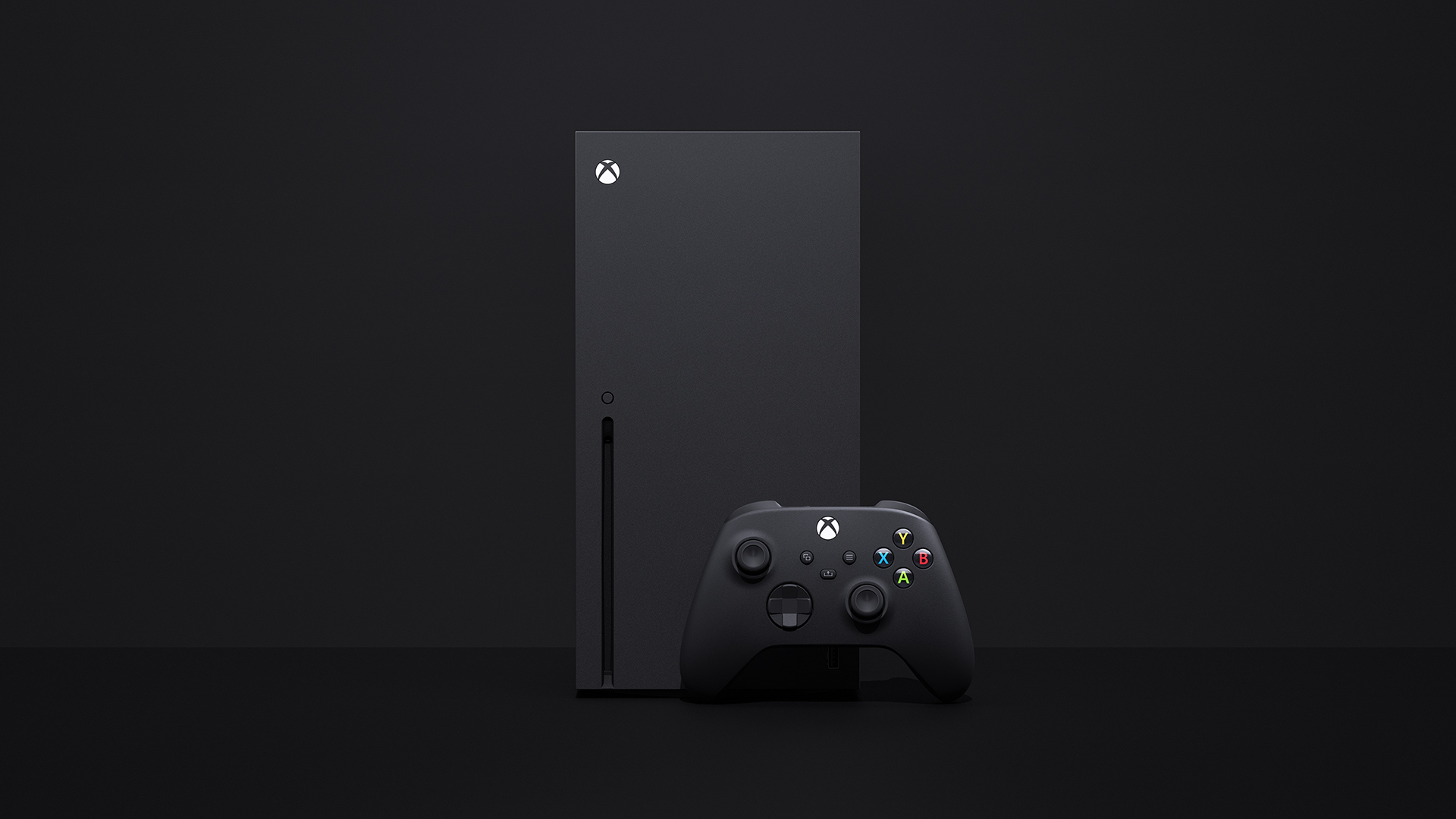
At the core of the Xbox business is their hardware, which is something that Phil Spencer and Sarah Bond took some time to reinforce during the conversation, highlighting that it’s where one would get the “flagship” Xbox experience. Bond teased that we’ll be hearing about new hardware this holiday season, potentially referring to the leaked console refreshes we learned about last year, but the more exciting news came afterwards. Sarah stated that the team is already working on their next-gen roadmap, and emphasized that they’re focused on delivering the largest technical leap we’ve ever seen in a hardware generation. What that leap will be and what form it’ll take is anyone’s guess, but there has been speculation that Microsoft could be considering an Xbox handheld device of some sort.
What Next?
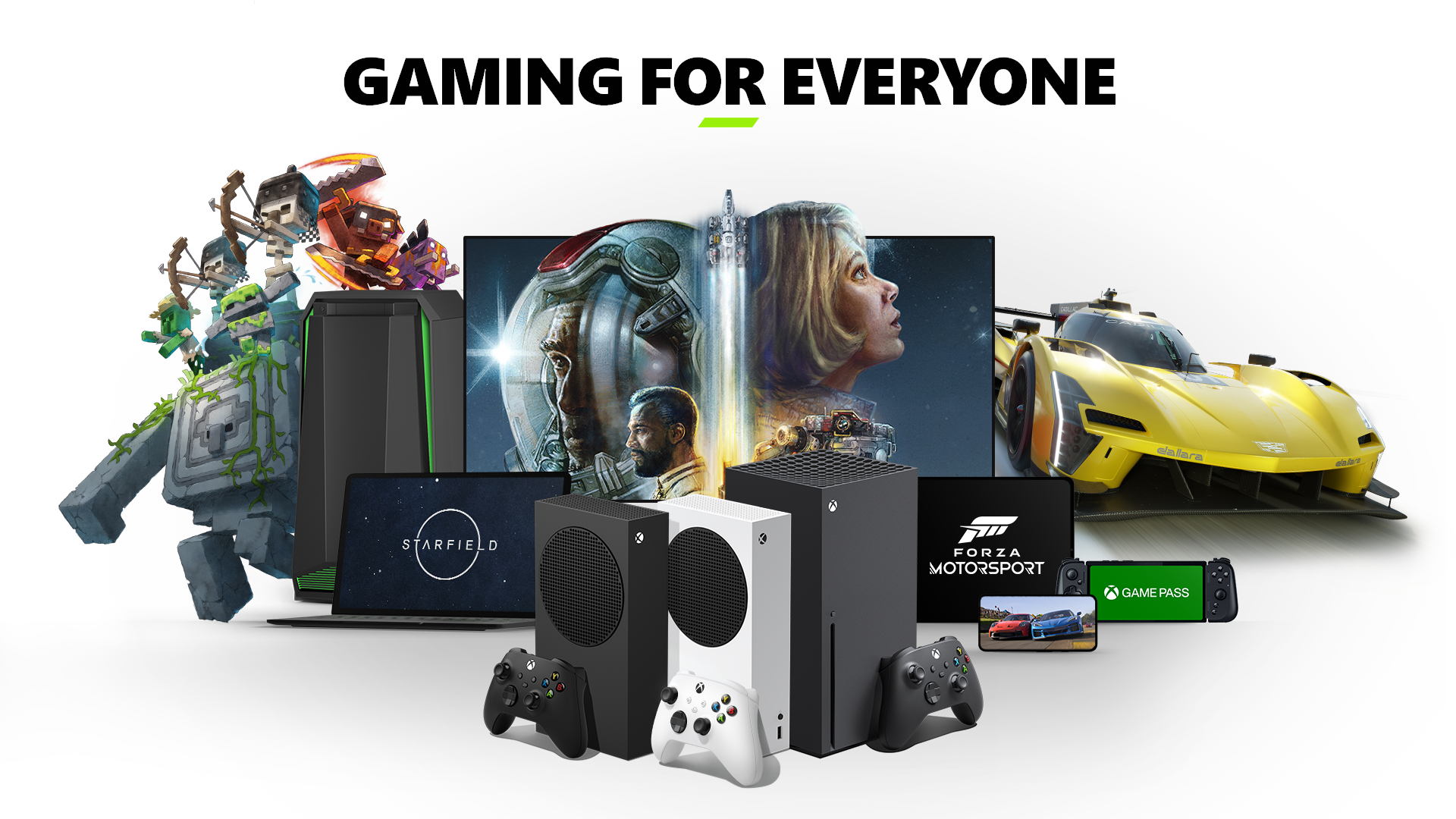
In the aftermath of this business update, I’m feeling more confident about Xbox than I was amidst the flurry of rumors that preceded it. I wasn’t angry about Xbox possibly going multiplatform, but I was worried and concerned about the future of the brand if they were going to be bringing their biggest exclusives to other consoles. And while it appears as if they won’t be doing that as of now, I fully believe that they will eventually start to bring more of their bigger tentpole games to other consoles, even if it’s not a day and date thing. When speaking to The Verge, Phil Spencer himself didn’t fully close the door on Starfield or Indiana Jones coming to PlayStation, essentially saying to never say never.
We now know that Game Pass has 34 million subscribers, but those subscriptions combined with the revenue from retail sales must not be enough to recoup the cost of developing their games, otherwise this topic of multiplatform releases wouldn’t be a thing. There’s also the fact that PS5 console sales lead Xbox by approximately 2:1 this generation which certainly isn’t helping things. Microsoft has been on the backfoot since the Xbox One generation and making strategy shifts like this to stay competitive and in the game. Although I can see the vision that Phil, Sarah, and Matt are proposing of an Xbox that’s everywhere on every device possible and fostering positive growth in the industry, I can’t help but wonder if it can come back to harm Xbox in the long run.
Game Pass is the most important part of their business now since it’s the gateway into the Xbox ecosystem, but hardware is still going to be a fundamental part of it. But if people continue to buy less hardware and less games because they either want to play on a different platform or because they’ve been conditioned to not buy games on Xbox, who wins? Perhaps Microsoft can circumvent this with a potential handheld device that’s similar in function to a Steam Deck.
Game Pass can be used on Steam Decks and the ROG Ally, but that’s in a strictly cloud gaming format, so it’s not quite the portable future that many envision when they dream of playing their Xbox games on the go. But if Microsoft were to create a handheld that supported Xbox cloud gaming and native versions of your entire library, that would be their golden ticket into expanding Xbox into the portable space. I don’t know if this would be their primary piece of hardware next-generation, but rather a secondary one that supplemented the Xbox experience. Nintendo showed that people liked being able to take their games on the go and Valve showed it wasn’t a fluke with their Steam Decks. Sony’s rumored to be considering it for their next generation platform, so it only makes sense that Microsoft would be considering it for Xbox too.
At the end of the day, I don’t think Xbox is in a dire state like many were afraid they would be before this business update. The vision they laid out is an admirable one that I can get behind. There’s a lot that can happen and change in the coming years, but as things stand right now, I’m excited for the future of Xbox. Like Phil said, a healthy Xbox will lead to a healthy gaming industry, and who can find any fault in that?
 TheComfySpot