Microsoft’s first-party exclusive Hi-Fi Rush came to PlayStation earlier this year, along with three other first-party Xbox titles. Sony’s Horizon franchise is breaking out of PlayStation exclusivity and jumping to the Nintendo Switch later this year with Lego Horizon Adventures. These moves may not spell the immediate end of console exclusives for PlayStation and Xbox, but the fires have been lit and the future is clear: first-party exclusivity for them will eventually be no more.
When we think about exclusivity regarding first-party titles today, we tend to not think about it in relation to PCs. The status of the PC platform as a neutral playing field causes it to not be seen as blasphemous when putting first-party titles on it. Sure there was some resistance, confusion, and anger from the most diehard PlayStation and Xbox fans when Sony and Microsoft announced plans to put their games on PC, but by and large the moves have been accepted, and are seen as being smart decisions for the business and gaming community.
The conversation turns ugly and controversial when it becomes about putting first-party titles on competing consoles since it flies in the face of the business model centered around brand loyalty that the industry and the platform holders have been built on and encouraged for decades. But the industry is changing and relying on the ways of the past won’t be enough to survive going forward. Although Nintendo can likely (and will) continue to operate under their current strategy until they’re dragged kicking and screaming into a multiplatform world, for PlayStation and Xbox to thrive in a way that’ll allow them to continue making games that we love, they’ll have to release their first-party games on their competitors’ platforms.
Let’s look at the Xbox side of things first. When it comes to consoles, Xbox hasn’t been doing that well in comparison to PlayStation. PS5 has been outselling the Series X|S nearly 2:1 this generation and that gap might be getting bigger. Game Pass is doing well, but subscription growth has more-or-less flatlined. Since all Xbox first-party titles go into Game Pass at launch, it’s practically a guarantee that they aren’t selling very much. If Game Pass revenue is meant to be the primary way to offset the development cost of these games, the service has to grow and bring in more people. So if you can’t increase revenue by enticing people to come into your ecosystem with your consoles and services, the next best thing is to go directly to them with your games.
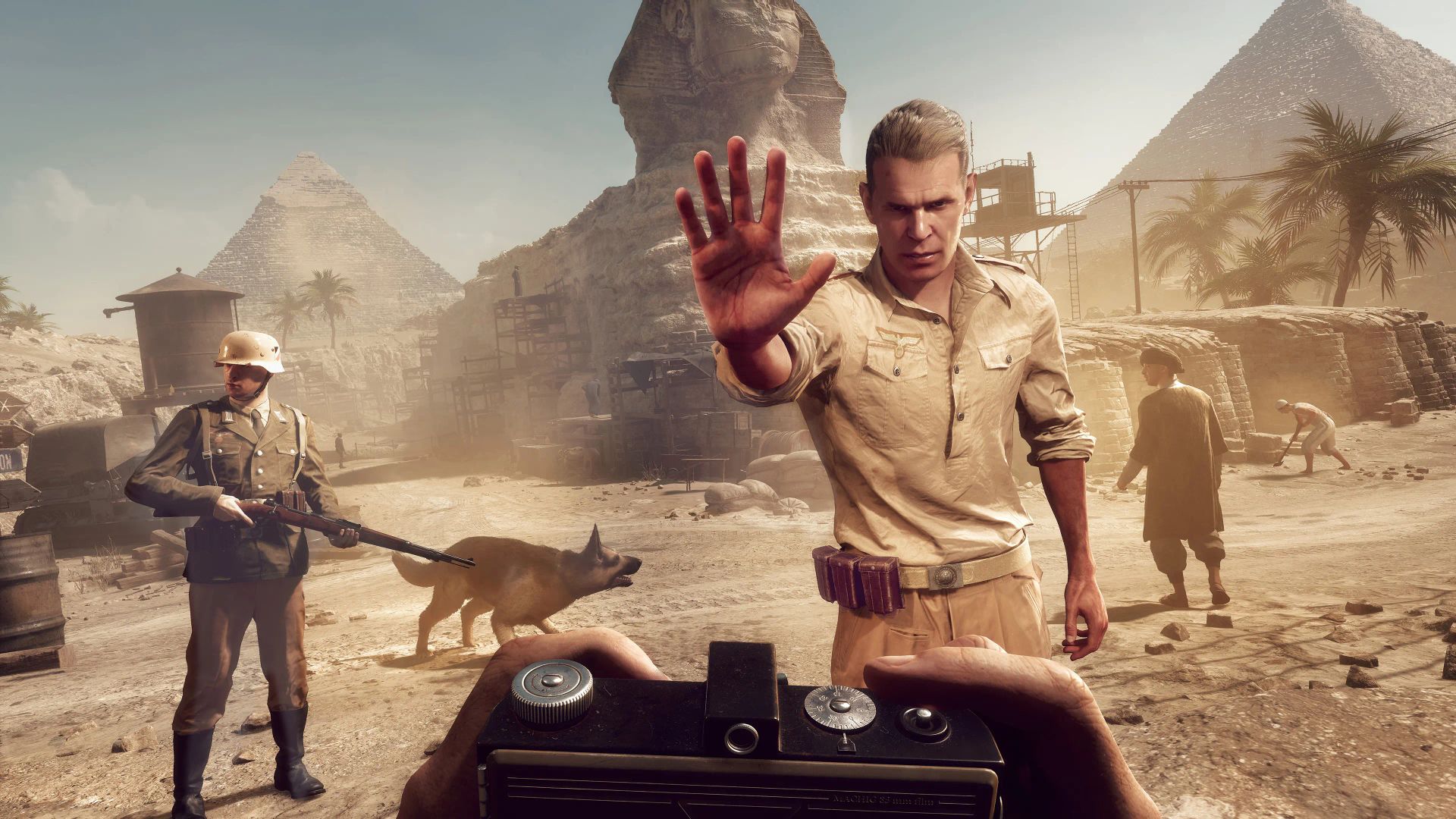
Microsoft has been putting their first-party games on PC at launch for years now and announced a shift in strategy regarding exclusives earlier this year with the release of four games across PlayStation and Nintendo Switch: Hi-Fi Rush, Pentiment, Sea of Thieves, and Grounded. This new plan was, and still is, wildly controversial since it came amidst rumors that many other tentpole first-party games like Starfield and Indiana Jones and the Great Circle would potentially come to PlayStation as well. Even with Microsoft Gaming CEO Phil Spencer saying at the time that wasn’t the case, the move was still seen by some as Xbox turning its back on its fans and choosing to be a third-party publisher instead of holding its ground and building up its brand.
That brings us to today with Xbox. In the wake of bringing these four games to PlayStation and Nintendo consoles this year, they saw great success from a sales perspective. After this year’s Xbox Games Showcase in June, Phil Spencer took part in an interview with IGN, during which he confirmed that more games would be making the jump. “You are going to see more of our games on more platforms, and we just see that as a benefit to the franchises that we’re building, and we see that from players, and the players love to be able to play.” This statement makes the latest batch of rumors about a remaster of Halo: Combat Evolved coming to PS5 seem much more likely. If anyone had doubts about Microsoft’s plan going forward after the business update earlier this year, they should be completely washed away now because it’s clear that Xbox is going to be shifting to a multiplatform strategy with their first-party titles.
Now let’s jump over to PlayStation. Sony has been very strict when it comes to the exclusivity of their first-party titles. It was a huge deal when they started porting their games to PC in 2020 with Horizon Zero Dawn, a game that had already been out on PS4 for three years. Since then, they’ve seen success with these ports and have adopted the strategy of releasing their games on PC at least a year after their original console release. Their mentality behind this plan is that the console is still their central platform and what they want you to play on, so the ports can act as the gateway drug to get you to buy the console and play the games on day one. Live service games are the exception to this rule and will release day and date on PC and console since they need a large player base to thrive.
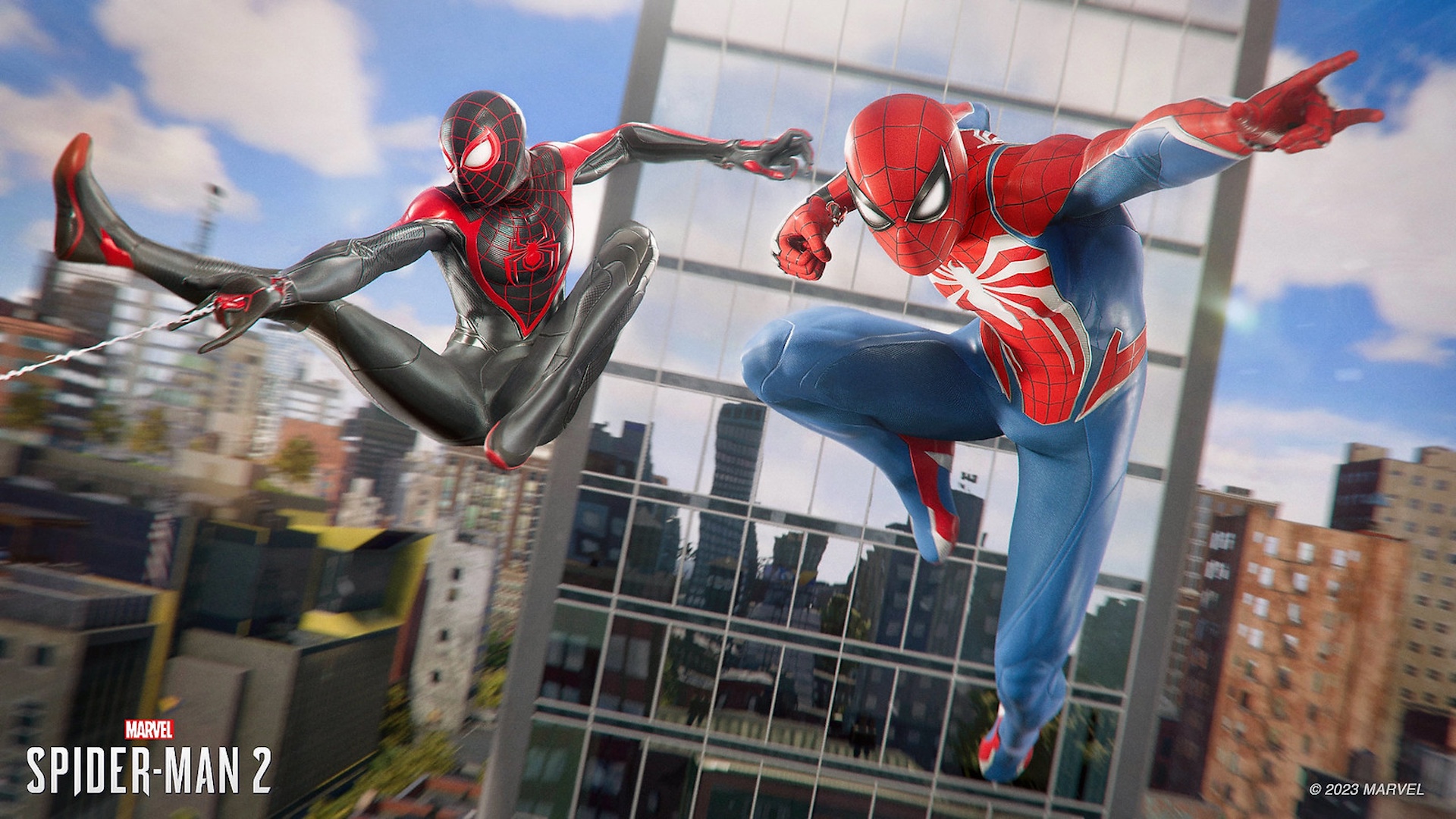
To Sony’s credit, their strategy makes sense for them. Their consoles are selling well and so are their games, so why cannibalize console sales by putting Marvel’s Wolverine on PC at the same time as PS5 when it’s sure to move units of the rumored (and inevitable) PS5 Pro? But Sony’s not immune from the financial struggles of the game’s industry. Their games are notoriously expensive to make, with last year’s Insomniac hack revealing that Marvel’s Spider-Man 2 cost $300 million to make, so it needed to sell 7.2 million copies to break even. As of February 4, 2024, it’s sold 10 million copies, which puts the game in a position that’s likely to be profitable today, but not every game has the money-making power of Spider-Man behind it. How much will a game like Astro Bot need to make to be considered a financial success? What about the next big game from Naughty Dog or Sony Santa Monica?
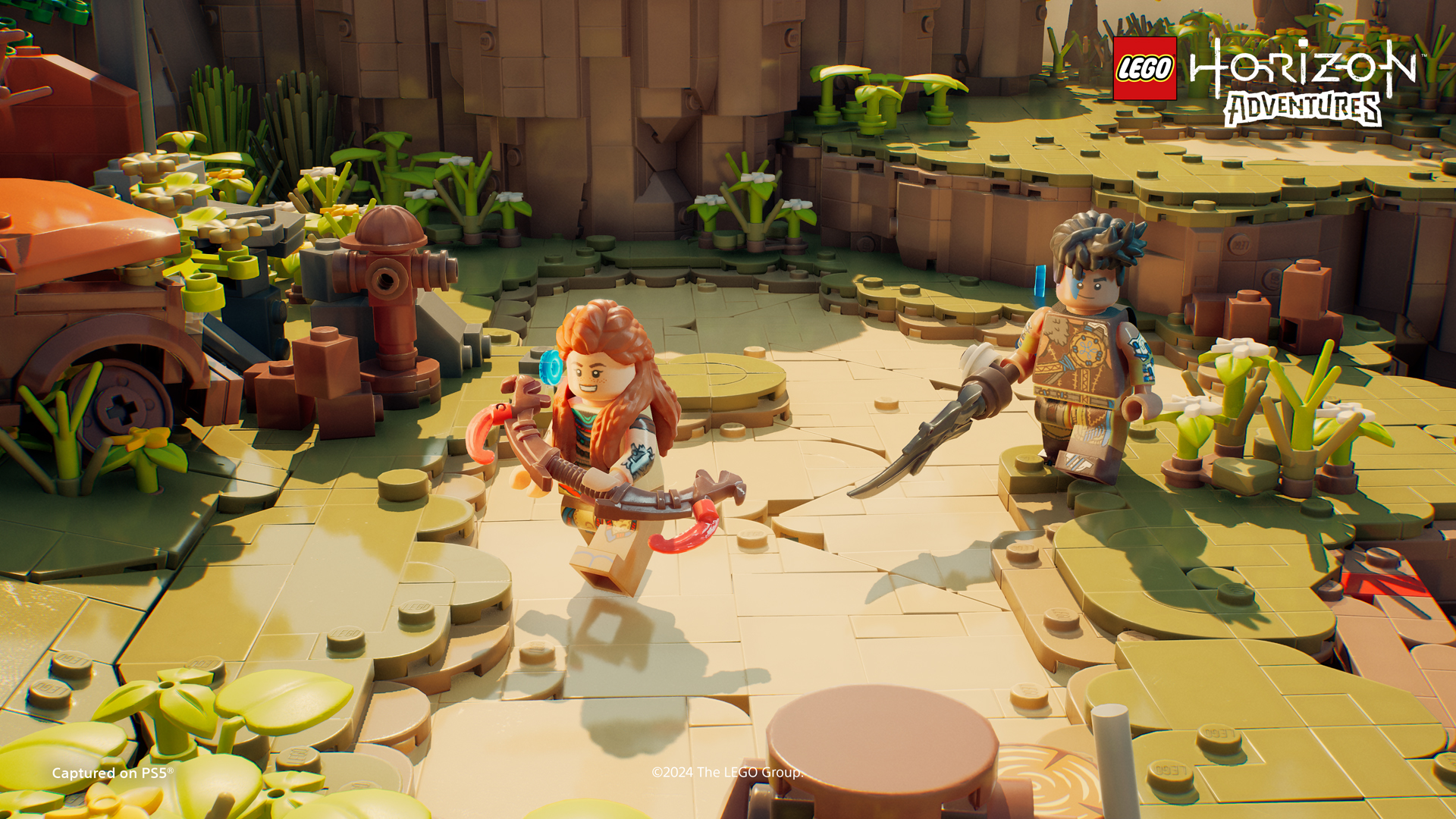
That’s why although it’s shocking to see a tentpole PlayStation IP like Horizon launching a new title day-and-date on the Switch and PC (even if Lego Horizon Adventures is a spinoff), it’s also not that big of a surprise when you start thinking about the bigger picture. Sony is reading the tea leaves and they know that if they want to see profits on their games, they’ll have to reach out to other platforms to make that happen. The Switch is the first step to doing this and I’m fairly confident that in time, PlayStation will be releasing on Xbox as well.
This brings us to the question of what exclusivity will look like for PlayStation and Xbox. If you’re putting your first-party games on all platforms, how do you maintain the allure of exclusivity and encourage people to buy your box? To me, it’s going to be more or less an approach involving periods of ecosystem exclusivity, where a game releases exclusively on its parent platform for say six months to a year, and then makes its way to other platforms after the window has expired. In Xbox’s case, they also have the benefit of being able to offer their games through a Game Pass subscription, which is something Phil Spencer has also noted as part of their strategy surrounding exclusives. “Our commitment to our Xbox customers is you’re going to get the opportunity to buy or subscribe to the game, and we’re going to support the game on other screens.”
To be clear, I don’t think this is a change that’ll happen in the immediate future. Or at least, not entirely. I can see Xbox being the one to fully dive into this strategy first since they’re already starting to. It wouldn’t surprise me if this is the norm for the brand starting with the next generation. As for PlayStation, they may take longer to fully embrace it because of their long-standing success. I can see them embracing day-and-date PC releases near the start of the next generation, but I wouldn’t be surprised if we had to wait until the halfway mark of the PS6 life cycle at the earliest for them to go all in on this ecosystem exclusivity strategy with regards to Xbox releases.
What does this mean for us, the people who have been trained to buy a specific console to play games that are specific to only that console? Well, it means more freedom for us! We’ll be able to buy either a PlayStation or an Xbox and play all of the same games, albeit at different times. The only choice we’ll have to make is which ecosystem we prefer. And to be honest, that doesn’t sound like a bad future. The idea of being able to buy one $500 box and play the vast majority of game releases instead of needing two boxes, or one and a subscription service to play through the cloud is incredibly appealing and forward-thinking to me. I would like to think it’s an idea that most would get behind too. If you aren’t behind it now, I suggest you start to at least think about it, because it seems to me like that dream future just might end up being a likely reality.
 TheComfySpot