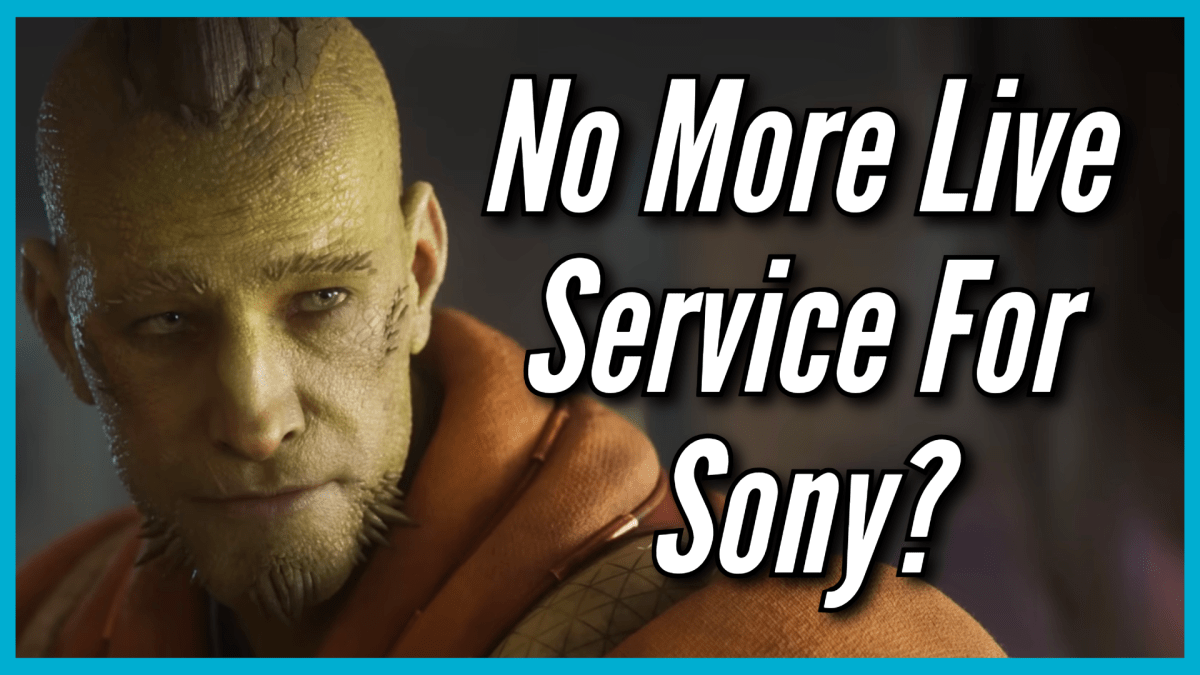
Last week was a bit rough for PlayStation. The same day they released Astro Bot to rave reviews across the industry, Sony shut down Concord, their latest attempt at breaking into the live-service space. A small community of fans might have enjoyed Concord during its two weeks on the market (myself included), however, with estimates of abysmal sales across PS5 and PC and an equally tragic amount of players, the game was dead on arrival. It’s left the future of Concord and its developer Firewalk Studios up in the air as they plan their next move. No matter how you look at the situation, this sort of failure is unprecedented in the games industry, especially for PlayStation which prides itself on releasing high-quality games. With more live-service games in development across their first-party teams, the question has to be asked: In a time where the live-service bubble is bursting, what chance of success do these other games have and what’s Sony’s strategy going forward?
For context, back in 2022, Sony announced plans to release 12 live service games by March 2026. That number was brought down to six games this past November, as Sony’s president Hiroki Totoki emphasized that they wanted the games to be up to the quality that’s expected from players. At the time, the six games included Concord (Firewalk Studios), Fairgame$ (Haven Studios), Marathon (Bungie), the long-in-development The Last of Us multiplayer game (Naughty Dog), a new IP from London Studio, and a multiplayer game set in the Horizon universe (Guerrilla Games). Since then, Naughty Dog canceled their project to avoid becoming a live service developer, London Studio was closed down, and Concord has failed.
Of the games left standing, Marathon has perhaps the best chance at success. As an extraction shooter, it’s releasing into a market that’s not too saturated. With the Bungie name behind it, it’s guaranteed to at least have an audience at launch, granting it a chance to thrive beyond its early days. The Horizon multiplayer game also has a good chance to succeed due to the power of the Horizon IP. Multiplayer is something that fans of the series have imagined ever since the first entry came out in 2017 with comparisons being made to Capcom’s popular Monster Hunter franchise. It’s easy to see a Horizon game that expands its unique gameplay systems to a multiplayer experience being a hit with fans.
Even still, this could backfire on Sony and fans could rally against it as the wider gaming community has grown increasingly tired of seeing developers known for their stellar single-player games shift to making live service games. If that happens or if the game ends up not being good, it’d be a black mark on the Horizon brand, which is something that Sony definitely wants to avoid.
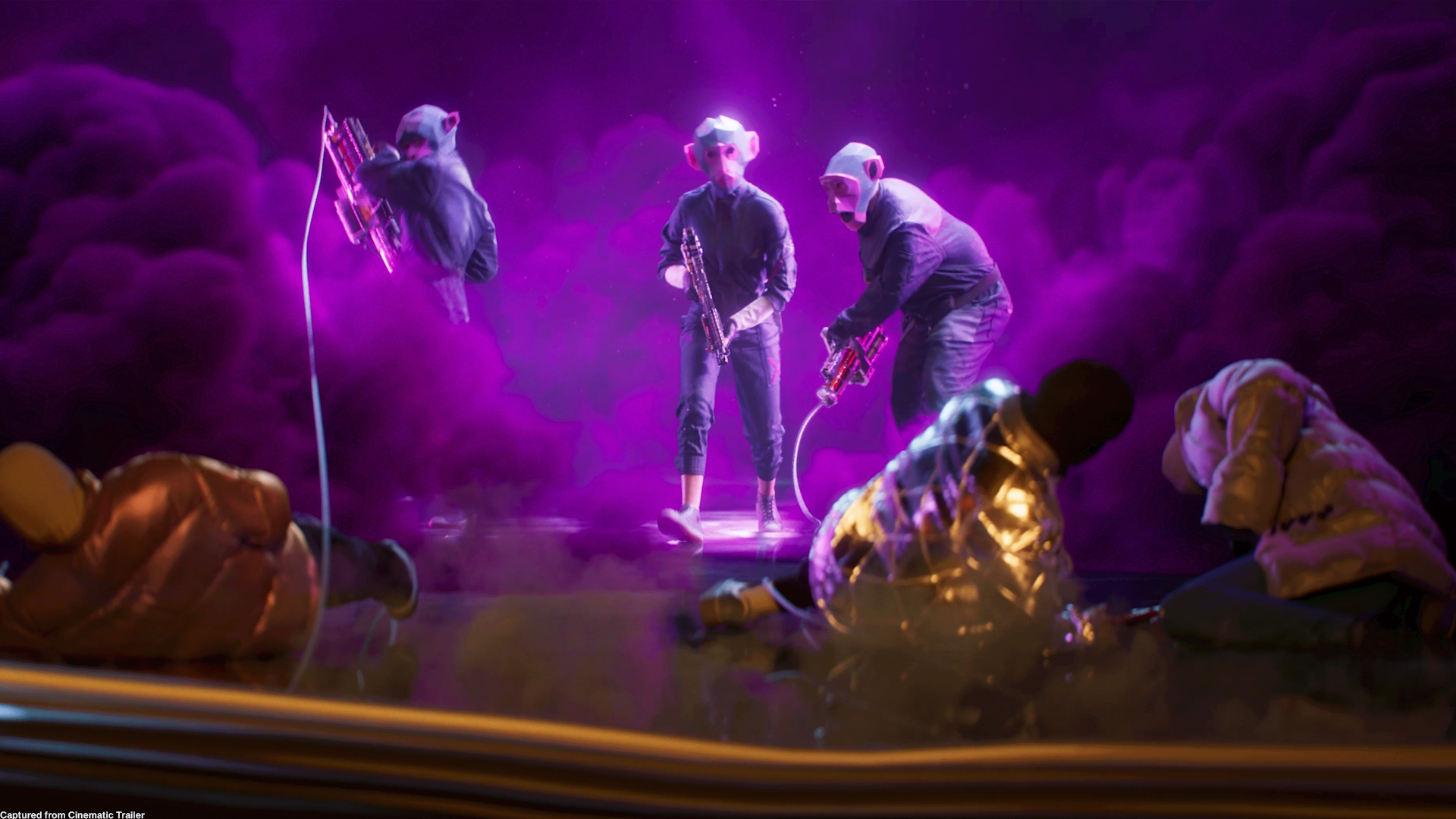
That brings us to Fairgame$. In the wake of Concord shutting down, this is the title in Sony’s live-service push that I feel has the biggest hurdle to overcome. As a new IP coming from Haven Studios, also a brand new studio (albeit one that’s headed up by industry icon Jade Raymond), we know basically nothing about Fairgame$ outside of the fact that it’s a competitive heist game that involves stealing from the rich. What does the actual gameplay look like? In a crowded live service space, what will it do to attract an audience and stand out from other games?
There are rumors that even after everything that happened with Concord, PlayStation is impressed with Fairgame$ so far. That said, one has to wonder what plans Sony and Haven have in the works to try and avoid a similar failure. The lack of any gameplay or updates from the team since its reveal has caused questions to linger and allowed reservations to arise, so needless to say, there’s a lot Fairgame$ has to prove.
The live service space isn’t an easy one to find success in, and ironically, Sony’s experienced both ends of that spectrum in the same year. Helldivers II was a smash hit when it was released earlier this year, and a little over six months later Concord completely bombed. The PlayStation brand is known for its high-quality games that are regularly held in high regard, so having a blemish like Concord on its record is sure to result in some reassessing.
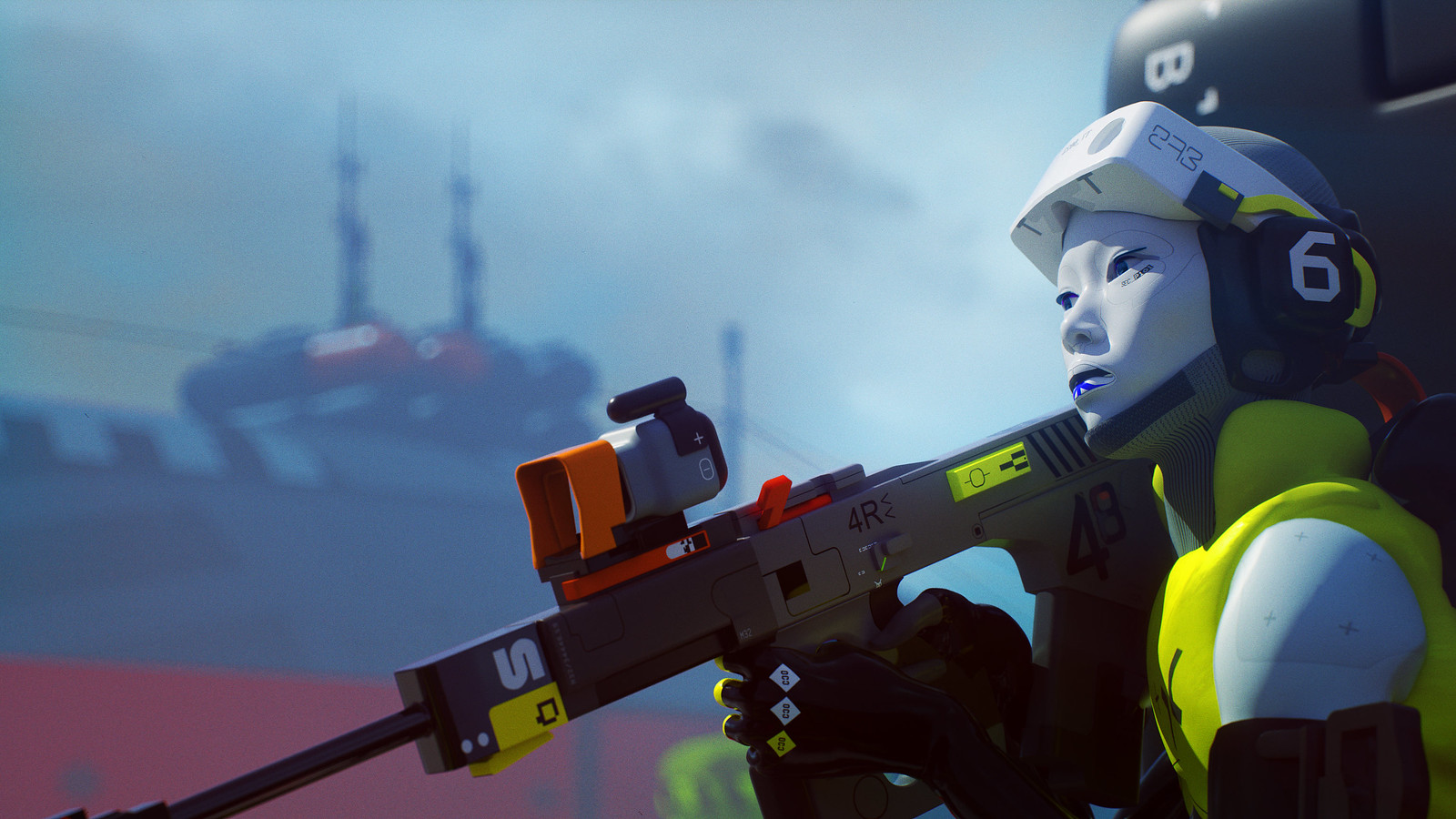
As I said before, the live service plans were already being dialed back, and I’m sure that this latest debacle has brought those plans to a standstill. With the exception of the new IP Bungie’s reportedly working on, codenamed Gummy Bears, I wouldn’t be surprised if Sony decided to halt production on all other new live service games that were early in development and thoroughly review them to decide their future. Either that or bringing the hammer down on live service entirely and only allowing the aforementioned ones to continue development.
It’s an unknown future right now for live service games at PlayStation, and I don’t think anyone can correctly predict what path Sony will take with them. Continue chasing the high-risk, high reward of live service revenue beyond what’s already in the works, or finish what they have and get out while they can. Either way, the failure of Concord will always be looming over the execs at the company like the ghost of live service past, reminding them of where they’ve been and where they can end up again.

