Exclusivity has been one of the biggest talking points for Xbox this generation. Whether it was the hubbub around titles like The Elder Scrolls and Starfield after Zenimax was acquired by Microsoft in 2021, the never-ending discussion surrounding Call of Duty following Microsoft’s acquisition of Activision Blizzard in 2023, or the way Microsoft has slowly abandoned exclusivity over the past two years by putting basically all of Xbox’s first-party titles on PlayStation and Nintendo consoles. Frankly, it’s been a wild and often confusing ride. Just as it seemed things were starting to gain clarity, the topic has only become more confusing.
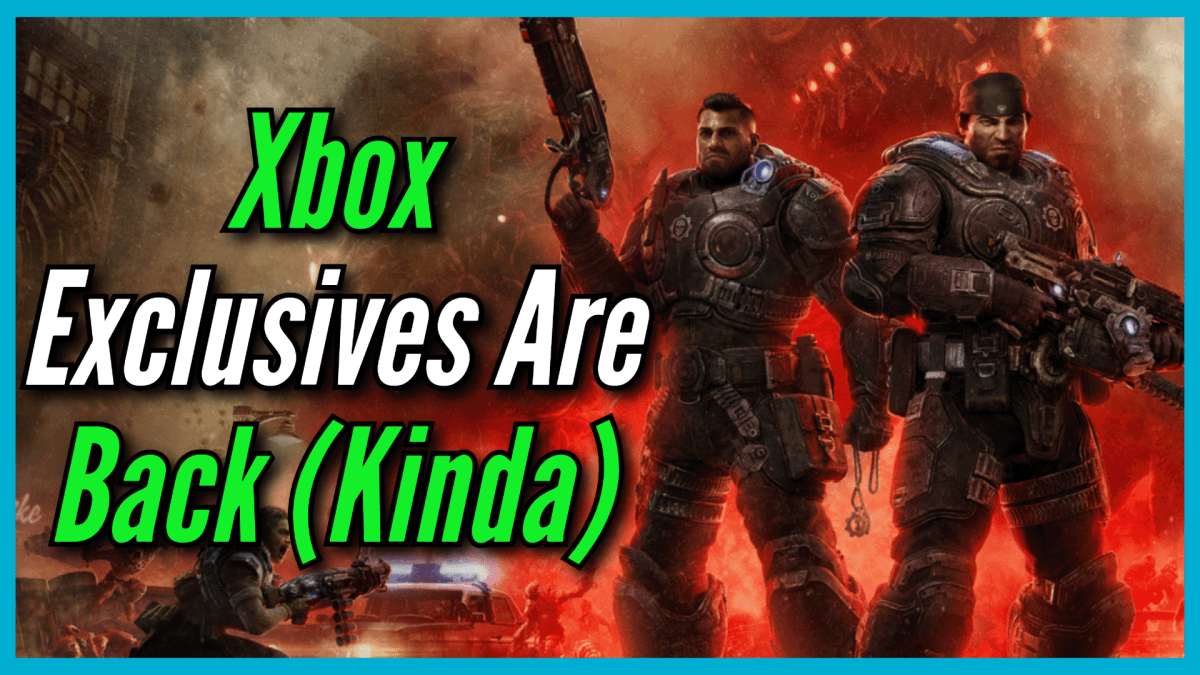
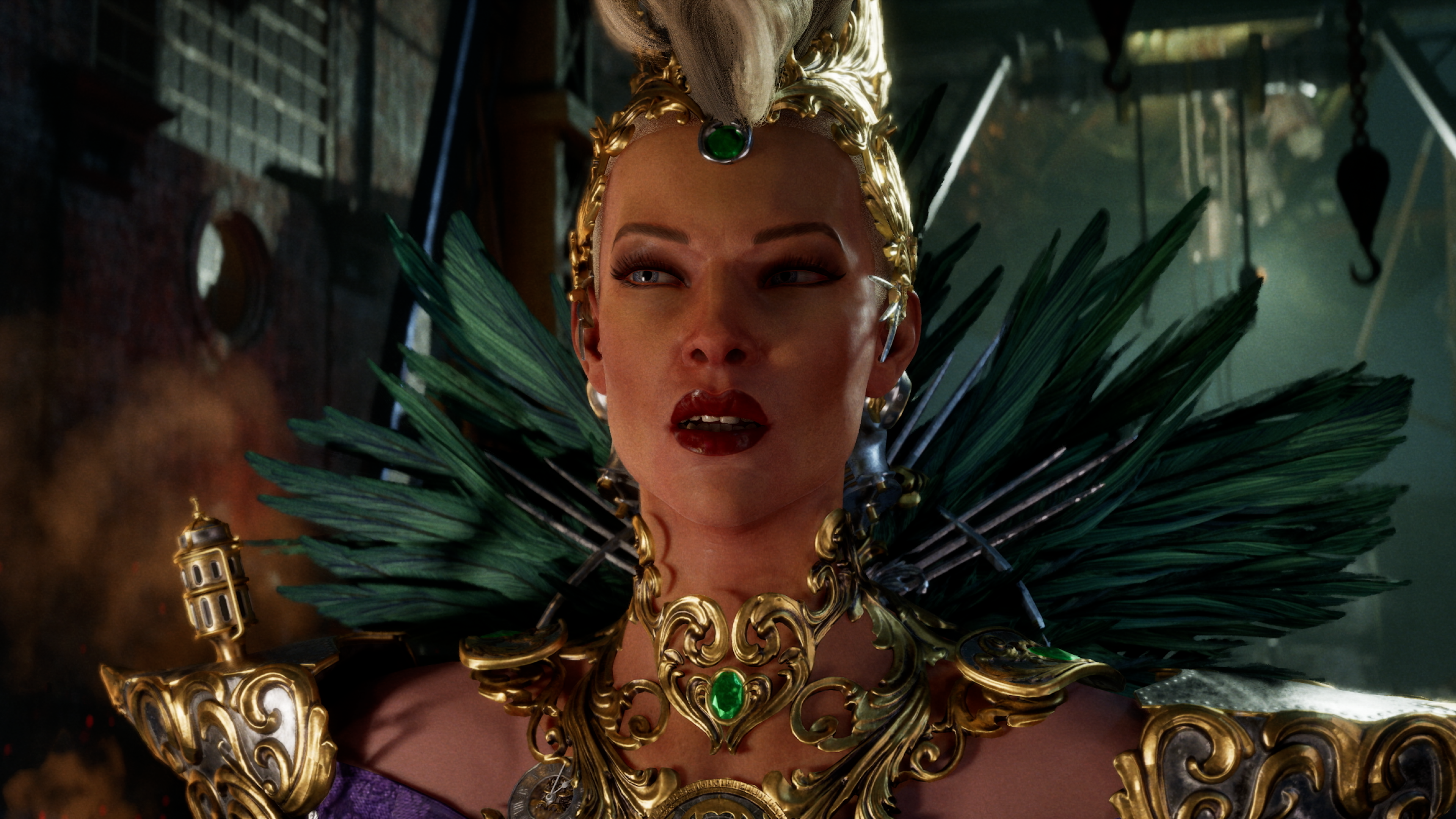
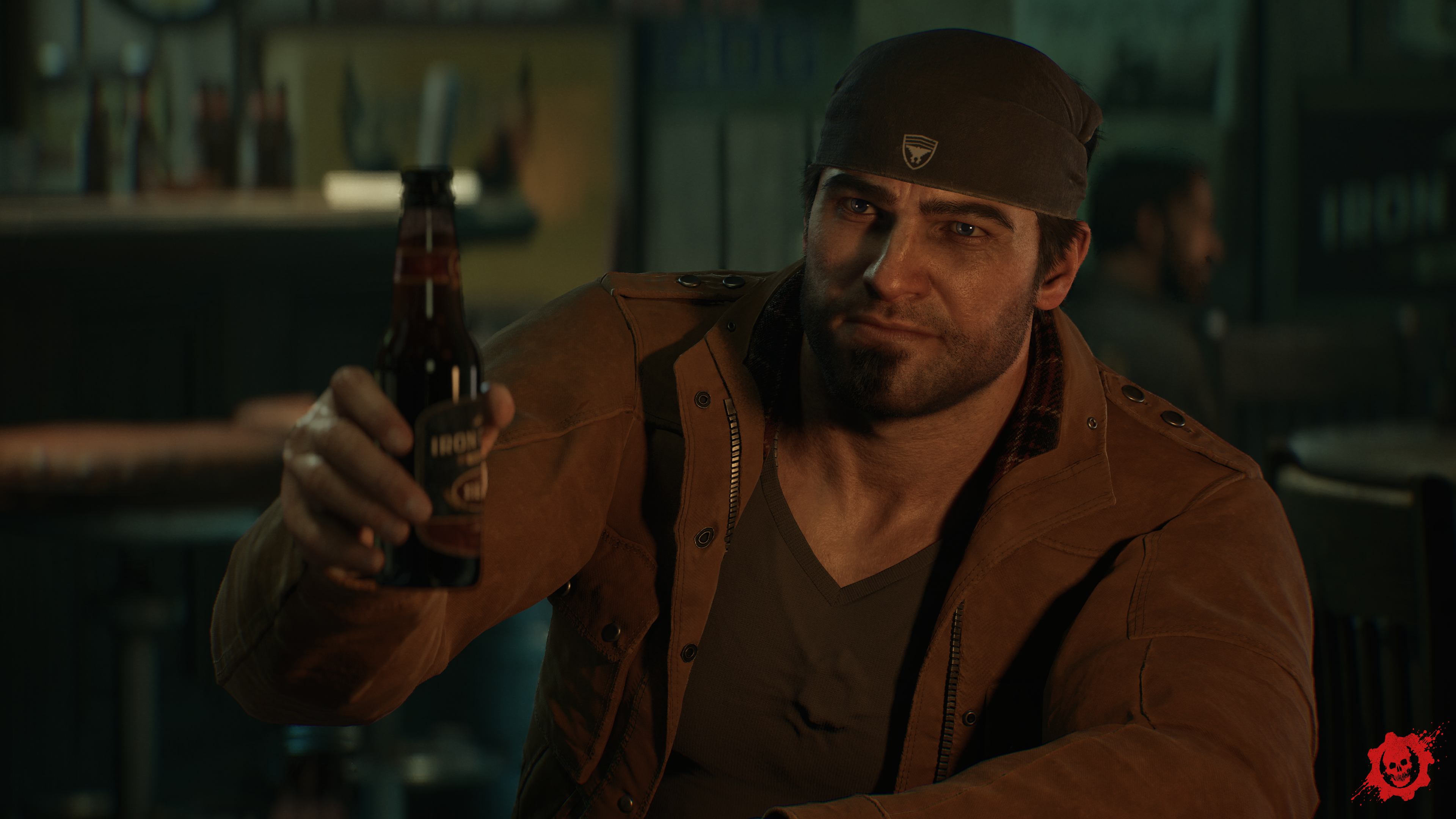
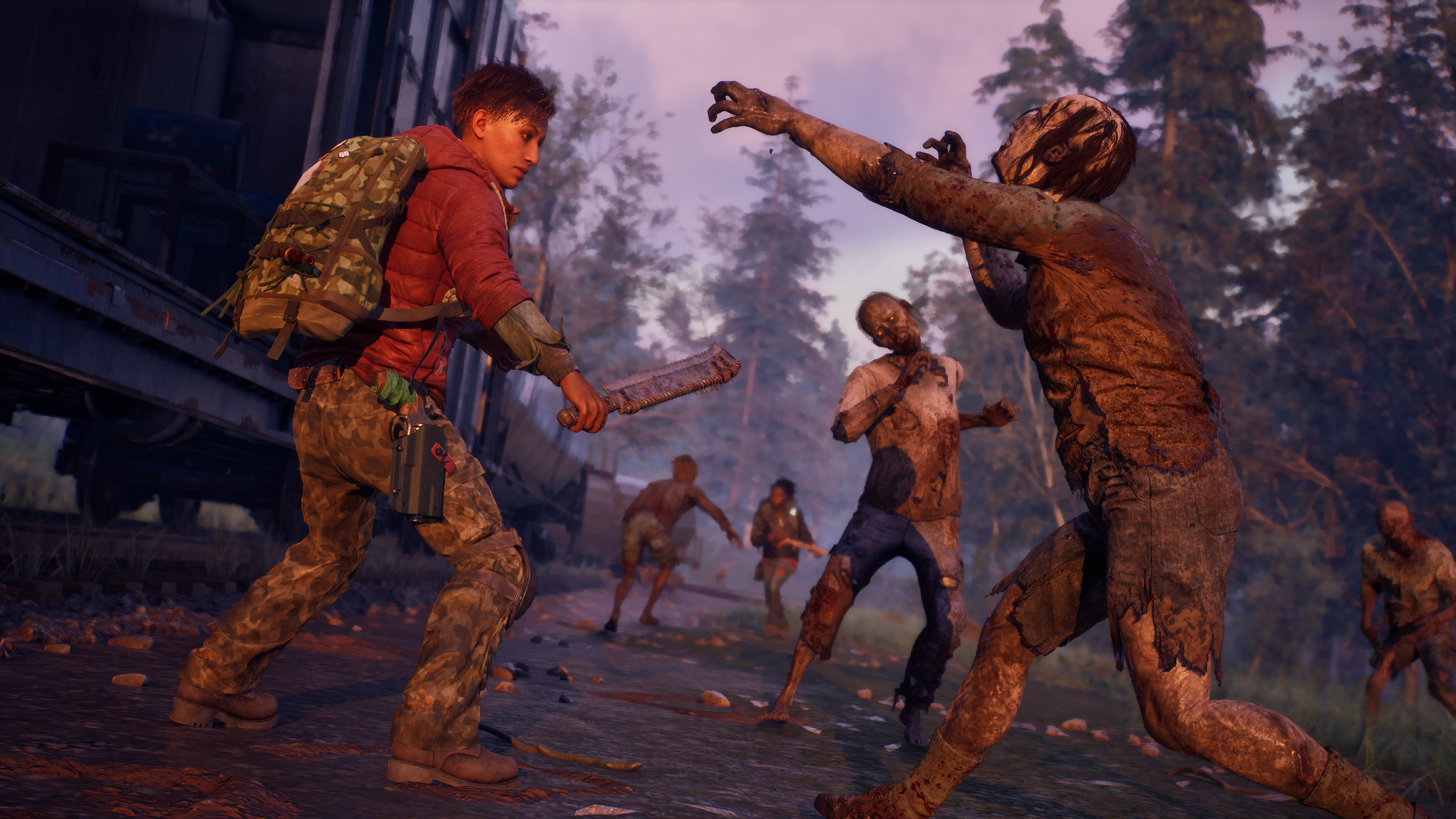
During this year’s Xbox Games Showcase, Microsoft officially confirmed that Gears of War: E-Day (coming this October) and Clockwork Revolution (coming in 2027) would both be released as console exclusives. No caveats. No timed exclusivity here. These are full-on exclusives to the Xbox ecosystem. However, the previously announced State of Decay 3 and the newly announced Senua (the latest entry in the Hellblade franchise) have been confirmed to be releasing on PS5 when they come out next year. You can see where the confusion’s starting to arise, right?
Xbox Chief Content Officer Matt Booty cleared things up a bit after the show when he spoke with Gamertag Radio and briefly addressed the question of exclusivity. As it pertains to any multiplayer or live-service game, we can expect those to be released on other platforms. Any single-player-focused titles, however, will seemingly be made multiplatform on a case-by-case basis, with those announcements coming alongside the release date. Games that have already been promised on other consoles, such as Fable, Forza Horizon 6, and Halo: Campaign Evolved, will still be making their way outside of Xbox’s green garden. It’s a clear answer and strategy that somewhat aligns with PlayStation’s approach to first-party exclusivity in the console space. The key distinguisher, though, is that PlayStation has never considered opening the door to releasing any of its tentpole single-player titles on other consoles. That window of variability that exists with Xbox is the issue here.
Leaving people wondering for months or years whether a game is going to be exclusive to their console of choice does no one any favors, especially if Microsoft caves to the demands of the most hardcore fans to not feature logos for other platforms in Xbox showcases. Those same fans who want true exclusives will only be left annoyed and frustrated when they find out that a game is actually coming to another platform, so why delay the inevitable? Just rip the band-aid off for all involved and make it clear from day one what we can expect.
The deeper problem, though, is where the line’s drawn. What causes a game like Clockwork Revolution to be exclusive to Xbox, whereas Senua is multiplatform? Does Gears of War: E-Day avoid the multiplayer and live-service category of games that go multiplatform because it has a campaign attached to it, or is it purely because of the legacy? Do a game’s budget and perceived “AAA” status play a factor? If so, what does that mean for something as massive as The Elder Scrolls VI? The whole reason Microsoft found itself in this situation with Xbox is that console sales were lagging behind PlayStation and Nintendo, and Game Pass was eating away at the sales of first-party titles. How does one justify the massive amount of revenue that’s left on the table by avoiding a PlayStation release for one of the most anticipated RPGs of the generation? Perhaps the hope is that it drives people to buy an Xbox, but I’d argue that, similar to Call of Duty, Bethesda’s franchise is too big to make exclusive.
Then there’s Halo, the poster child of the Xbox brand. It’s coming to PlayStation for the first time this year with Halo: Campaign Evolved, and prior to this showcase, it seemed like it would continue to be on PlayStation. After all, when it was announced last year, Halo community director Brian Jarrard said that “Halo is on PlayStation going forward.” But with the new changes to exclusivity, does that statement fall under the banner of promised titles that Matt Booty said would be honored, or is it something that gets revoked because of the franchise’s importance to Xbox?
The position that Xbox is in is a unique one, with no easy answer to its predicament to be found. Speaking at Bloomberg Tech 2026, Xbox CEO Asha Sharma talked about the challenge surrounding how they’ll approach exclusivity. “We’re the number two publisher in the world, and in order to be a great publisher, you must have your games reach large audiences to play. At the same time, we’re increasingly becoming a platform. In order to be a platform, you must have exclusive content and services, so we’re looking at that very closely. I think that we have to be very thoughtful about each title on how we want to think about it and learn from similar cases in the industry, and that’s what we’re doing.”
I like the re-energized Xbox that we’ve been seeing ever since Asha stepped into her role as CEO. While some of the things she’s said still echo the strategy of Phil Spencer’s era, there’s a conviction in her words that doesn’t feel like the company’s rolling over and accepting the position it’s in while trying to stay afloat. Rather, it’s aiming to take control of the situation, make it work in its favor, and come out on top, as a stronger, more successful Xbox, not out of desperation but out of ambition. On that front, I’d say the company’s messaging about turning focus back to console and the wants and needs of its playerbase has been very strong. It’s clear that Asha and the other executives in leadership roles understand that they need to give people a reason to invest in and care about Xbox. But the messaging surrounding what Xbox fans care about most, the exclusivity of first-party titles, continues to be a severe weak spot.
It’s a critical time for Xbox. The decisions being made now will directly influence where the next generation of Xbox goes once Project Helix finally releases. Personally, I think that in an era where games are expensive to make and buy, and the consoles themselves are increasingly becoming prohibitively expensive, with $1,000 looking like the starting price for a next-gen machine, putting your games on as many platforms as possible is the smart move for any company to make.
But, if they want to go this route, I believe that the best course of action would be to: a) make their tentpole franchises and single-player first-party titles true exclusives; b) make multiplayer and live-service titles multiplatform; and c) keep mega franchises that have traditionally been multiplatform like The Elder Scrolls and Fallout on all platforms, just like they do Call of Duty and Minecraft. Such a strategy would allow them to potentially have their cake and eat it too, and could set them up for success. That is, of course, assuming that people show up for the games and they sell well.
At the end of the day, I just want Xbox to succeed and its teams to thrive. If Microsoft wants to only make its biggest, most important Xbox titles proper console exclusives, then so be it. If it wants all first-party single-player titles to be exclusive, then go for it. But make that statement and stand by it. Don’t be wishy-washy like you currently are, because now we’re back at the same “case-by-case basis” Phil Spencer presented us in 2024, except there aren’t any lines to read between here that allow us to intuit the obvious end result.

